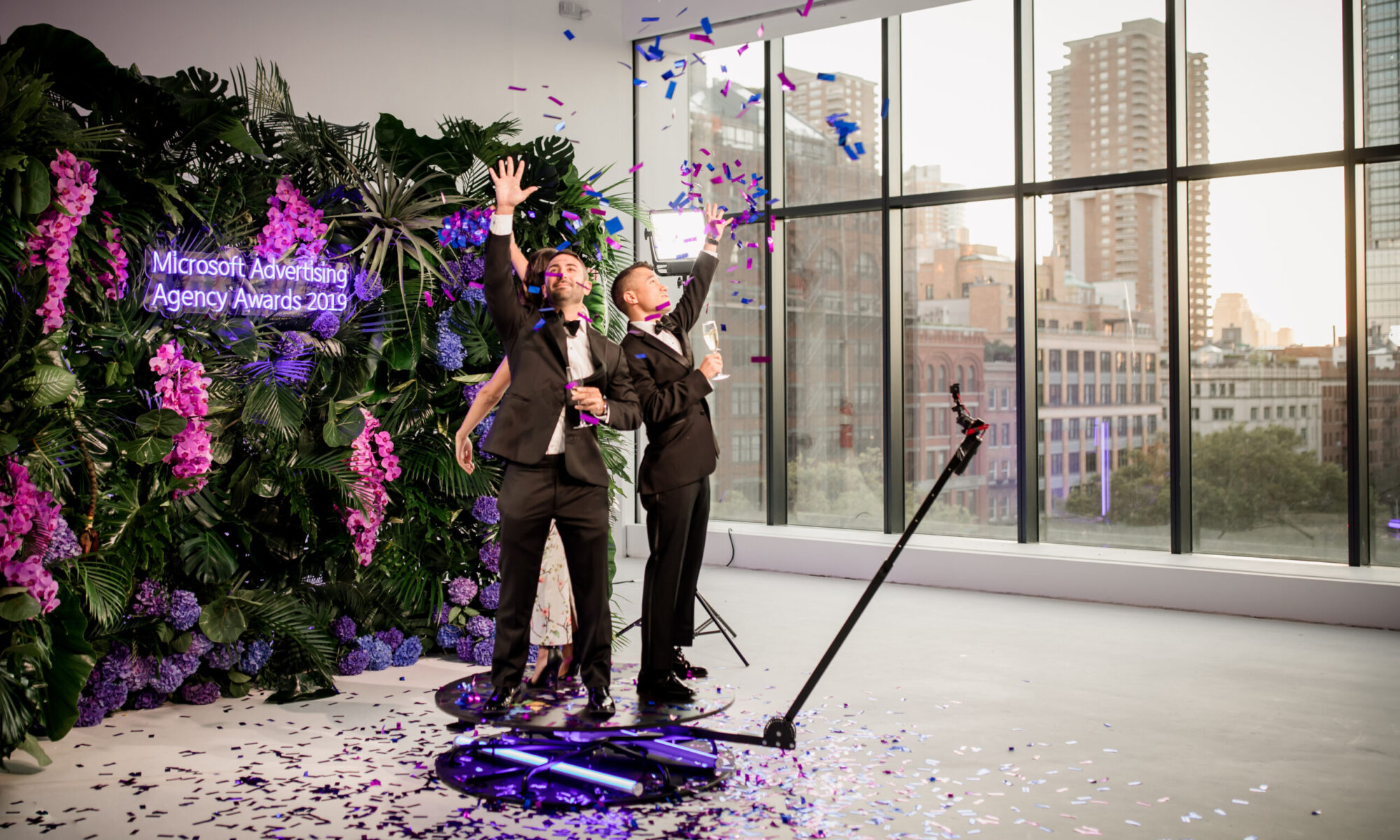
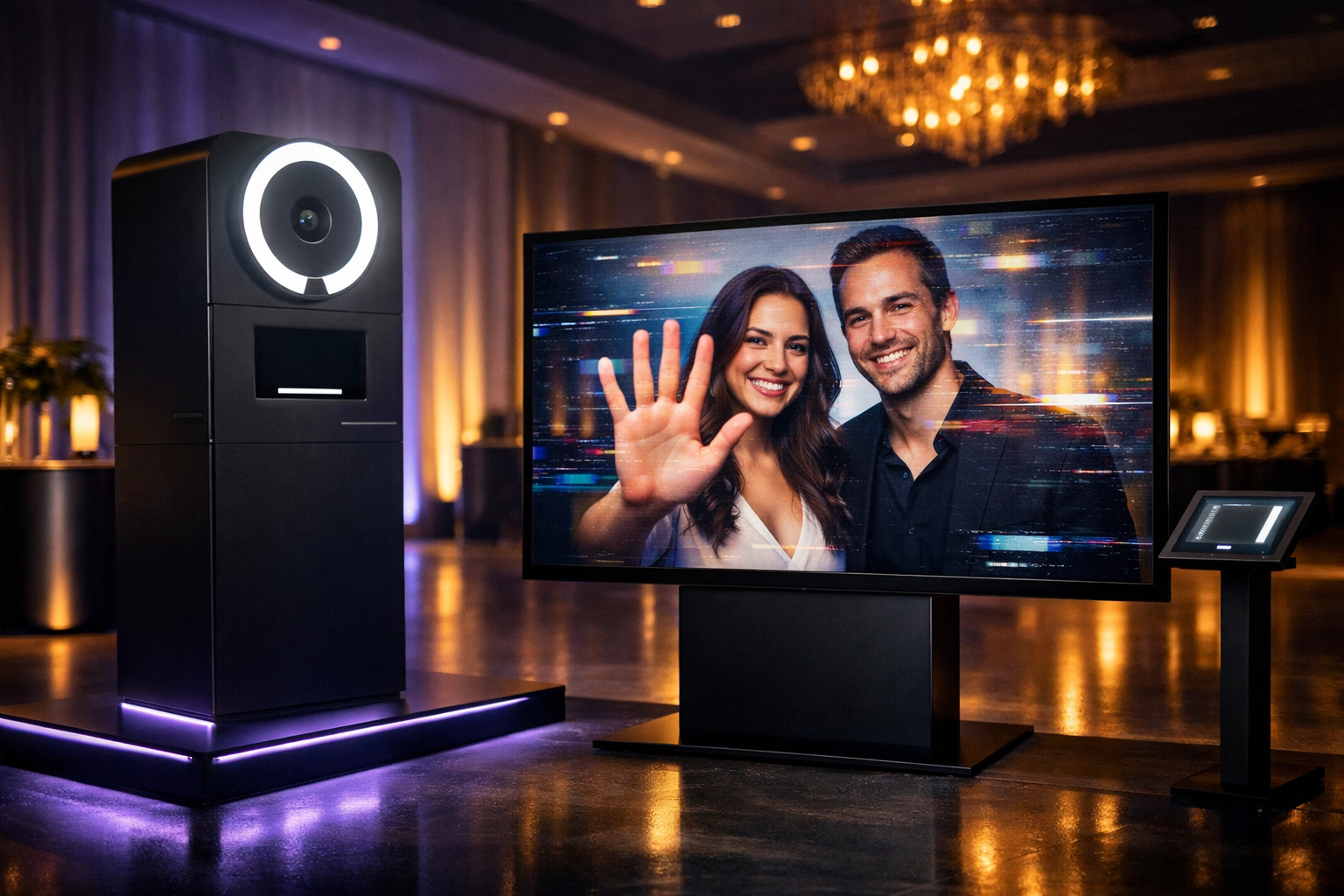
Let’s talk about the elephant in the room, or more accurately, the extra fingers in the photo booth.
AI photo booths are everywhere in 2026. If you’ve attended a brand activation in Las Vegas, Los Angeles, or Austin recently, you’ve probably seen them. Guests walk in looking like themselves and walk out looking like astronauts, movie stars, or anime characters. The technology is undeniably cool. But it’s also imperfect. And if you’re planning a high-stakes activation for a corporate client or luxury brand, those imperfections can turn into brand disasters.
The good news? The technology has come a long way. The bad news? Not everyone operating these booths knows how to manage the risks. At Studio Z, we’ve spent the past year running hundreds of generative AI photo booth activations across the country, and we’ve learned exactly where the tech shines, and where it trips over its own algorithmic feet.
The Three Flavors of AI Photo Booth Technology
Not all AI photo booths are created equal. In fact, the term “AI photo booth” is misleading because it covers three completely different technologies under one umbrella. Here’s what you’re actually choosing between:
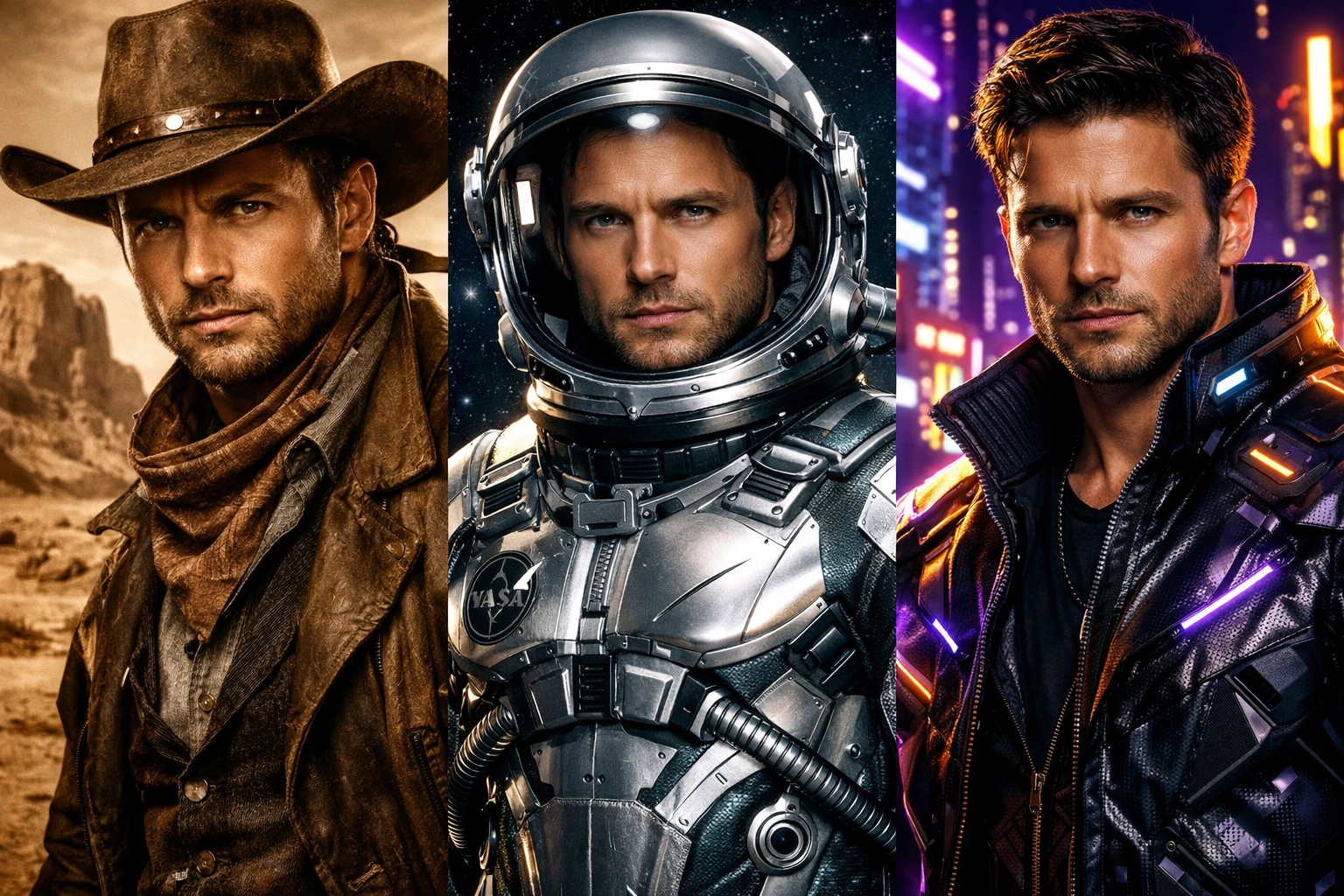
1. AI Templates: The Consistency Play
Think of AI templates as the “safe” option. You feed the system a photo of your guest, and the AI places them into a pre-designed scene. Maybe it’s a cowboy backdrop. Maybe it’s a futuristic cityscape. The key word here is consistency. Every guest gets the same aesthetic treatment, which is perfect for brands that need tight control over their visual identity.
The upside: Your branding stays locked in. No surprises. You know exactly what the output will look like before the event even starts.
The downside: It’s a bit predictable. Guests might feel like they’re getting a “one-size-fits-all” experience, which doesn’t always land at luxury activations.
2. Face Swap: The Movie Poster Solution
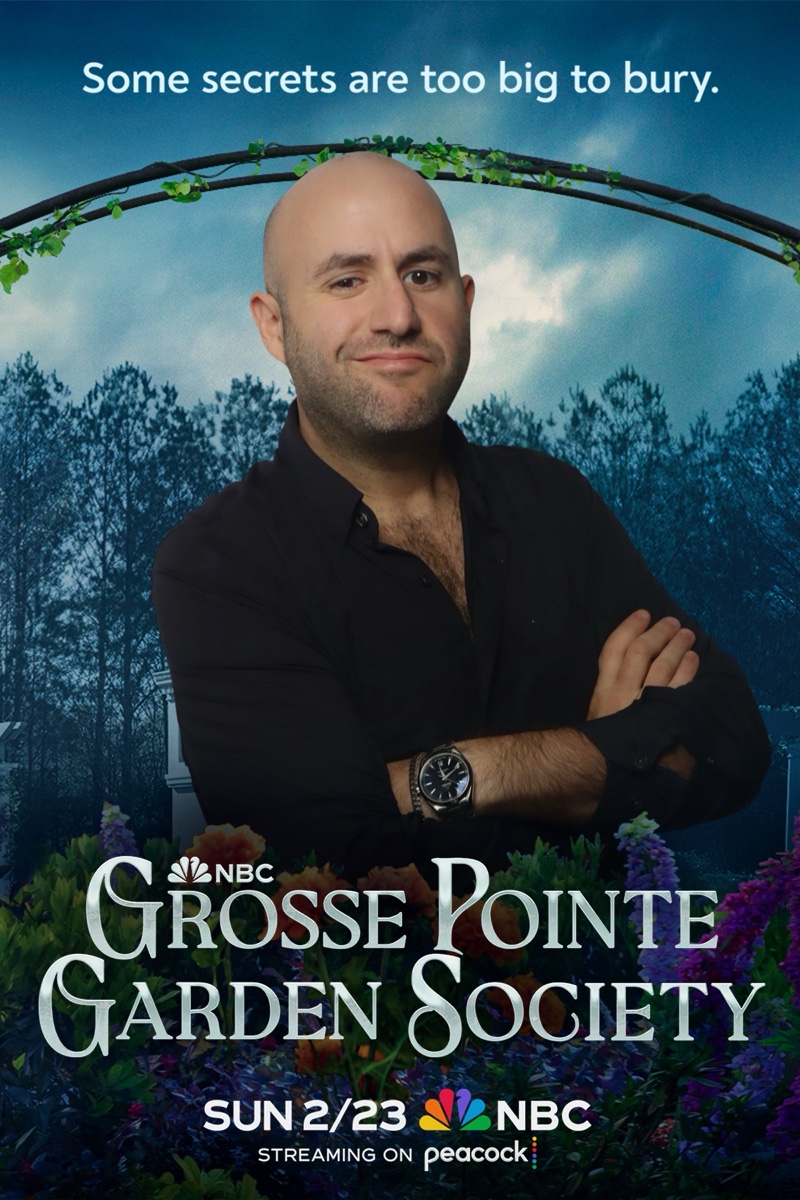
Face swap technology is where AI gets specific. Instead of placing your guest into a scene, the AI replaces a face in an existing image with theirs. This is the go-to for movie premieres, TV show activations, and any brand activation photo booth where you want guests to “become” a character without altering the background.
The AI isolates the face, adjusts for lighting and angles, and seamlessly integrates it into the poster or design. The background stays put. The face changes. Simple.
The upside: It’s fast, it’s scalable, and it works beautifully for branded campaigns where the visual template is non-negotiable.
The downside: If the source image has multiple faces or complex angles, the AI can struggle. You also lose some of the “generative magic” that makes guests feel like they’re getting something truly custom.
3. Custom Generative AI: Total Creative Freedom (With a Catch)
This is where things get interesting, and messy. Custom generative AI doesn’t rely on templates or face swaps. Instead, it creates the entire image from scratch based on a text prompt. You tell the AI “turn this guest into a cyberpunk warrior in a neon cityscape,” and it generates a fully unique image.
The results can be stunning. The potential for customization is limitless. But here’s the catch: generative AI is only as good as the person writing the prompts. And that’s where most operators fail.
The upside: True creative freedom. Every guest gets a one-of-a-kind image that feels genuinely personalized.
The downside: It requires serious prompt engineering. If you don’t know how to guide the AI, you’ll end up with weird proportions, bizarre backgrounds, and, yes: extra fingers.
The Glitches No One Talks About (Until They Happen at Your Event)
Here’s the part most vendors skip in their pitch decks. AI is powerful, but it’s not perfect. And when it fails, it fails in ways that can make your brand look careless.
Extra Fingers and Anatomical Chaos
The most infamous AI glitch is the extra fingers problem. Generative AI systems struggle with hands. They’ll render a guest with six fingers on one hand and three on the other. Or they’ll create hands that are anatomically impossible. It’s a well-documented issue in the AI world, but it still shows up in poorly configured photo booth activations.
Why does this matter? Because guests notice. And they share those glitchy photos on social media: often with your brand logo attached.
Gender Bias: The Long Hair vs. Short Hair Problem
Generative AI models are trained on massive datasets of images, and those datasets come with embedded biases. One of the most common issues we see is gender bias based on hair length. If your guest has long hair, the AI might default to feminine features: even if that’s not accurate. Short hair? The AI might over-masculinize the output.
This becomes a real problem at activations where inclusivity and representation are brand priorities. The last thing you want is for a guest to feel misrepresented in an image that’s supposed to celebrate them.
Ethnicity Accuracy: When AI Defaults to “Average”
Another issue: generative AI sometimes struggles with ethnic features. Depending on how the model was trained, it might “smooth out” distinct facial characteristics or default to a more “generic” appearance. This is particularly problematic for brands running activations in diverse markets like New York, Miami, or Los Angeles.
The Superhero Copyright Trap
Here’s a legal landmine most people don’t see coming. Let’s say your client wants a superhero-themed activation. Guests get transformed into their favorite Marvel or DC character. Sounds fun, right?
Wrong. If your AI generates images that too closely resemble copyrighted characters: think Iron Man’s armor or Wonder Woman’s costume: you’re opening your client up to potential trademark infringement. And trust us, Disney’s legal team is not interested in your “it was just AI” defense.
How Studio Z Manages the Risk: Prompt Engineering as a Service
At Studio Z, we don’t just operate AI photo booths. We act as prompt engineers for your brand. That means we pre-test every AI configuration, adjust the prompts to avoid common glitches, and build in guardrails to prevent copyright issues.
Here’s what that looks like in practice:
Pre-Event Testing: We run test sessions with diverse subjects to ensure the AI handles different skin tones, hair types, and facial structures accurately. If we see bias creeping in, we adjust the prompts or switch models.
Custom Prompt Libraries: We maintain a library of tested, brand-safe prompts that avoid copyrighted imagery while still delivering on the creative vision. Want a “superhero” vibe without the legal risk? We’ll craft a prompt that delivers comic-book aesthetics without infringing on Marvel’s IP.
Real-Time Monitoring: At every activation, our operators monitor the AI output in real time. If a guest’s photo comes out with a weird hand or an inaccurate feature, we catch it before it prints. We can rerun the image with adjusted parameters, so the guest walks away with a quality result.
This level of curation is what separates a professional photo booth activation from a DIY nightmare.
Why Hardware Matters: The Enclosed AI Lab
Here’s something most people overlook: AI photo booths need privacy. Not just for the guest’s comfort, but because the generative process works better when the guest isn’t surrounded by distractions, inconsistent lighting, or background noise.
That’s why we deploy AI experiences inside our Every Booth Icon and Every Booth Cabina: luxury enclosed booths that create a controlled environment. Expect high-tech visuals that feel intentionally designed: reflective surfaces, bold geometry, and cinematic lighting that reads premium on-camera and on social. The Cabina’s high branding panels and side screens turn the activation into a private studio experience.
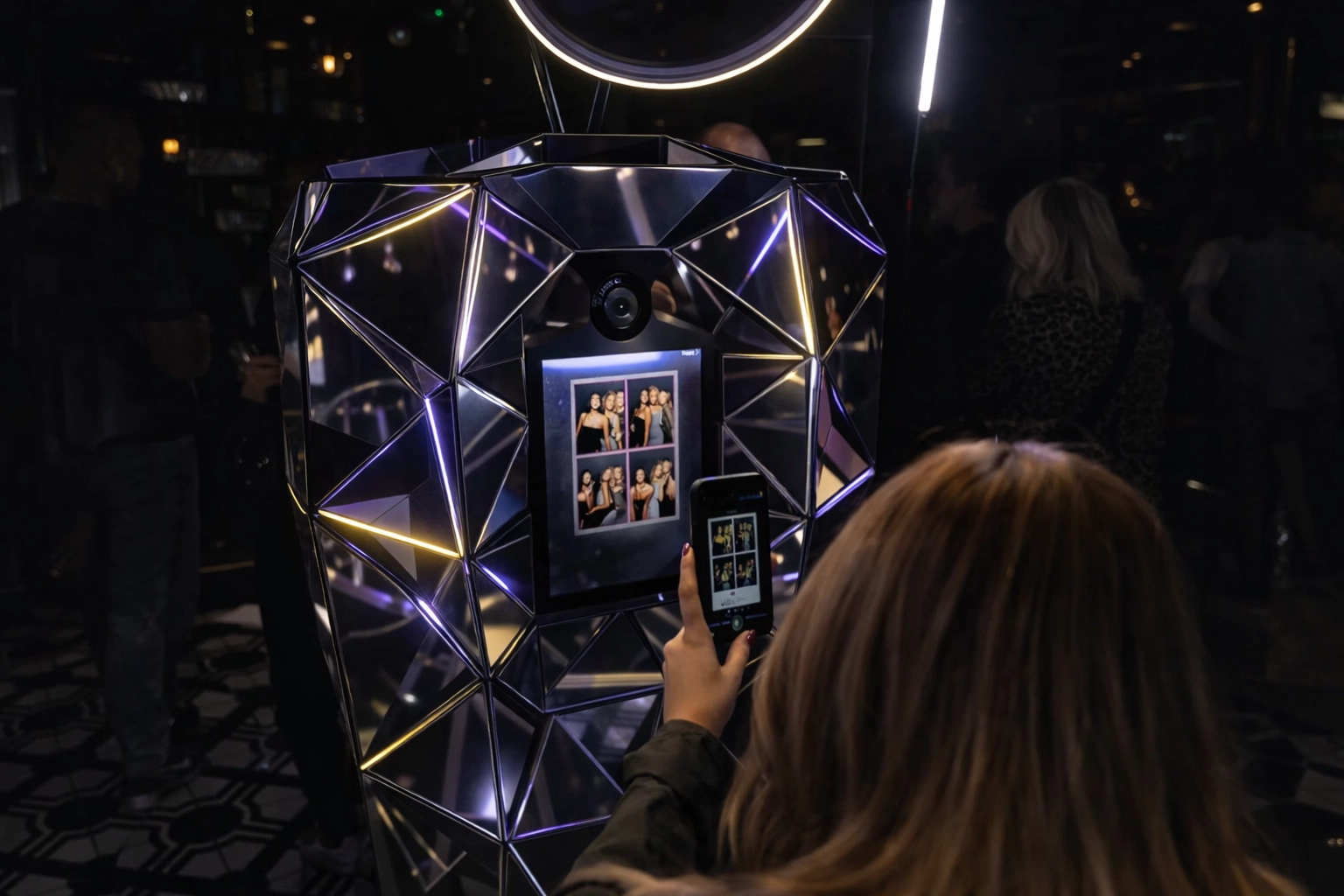
Inside these enclosures, we control the lighting, background, and camera angles: which means the AI has clean, consistent input to work with. The result? Better facial recognition, fewer glitches, and images that actually look professional.
Plus, the enclosed format creates a sense of exclusivity. Guests aren’t just standing in front of a camera in the middle of a crowded event space. They’re stepping into a private AI lab where they’re the star of the show.
The Bottom Line: AI is Here, But Expertise Matters
AI photo booths are the future of brand activations. The technology is only getting better, and the creative possibilities are expanding every month. But “better” doesn’t mean “foolproof.” The difference between an activation that goes viral for the right reasons and one that becomes a cautionary tale comes down to who’s managing the tech.
If you’re planning a high-end brand activation photo booth in Las Vegas, Austin, or any major market, don’t settle for a vendor who just bought the latest AI software and called it a day. You need a team that understands the limitations, manages the risks, and knows how to engineer prompts that deliver consistent, brand-safe results.
At Studio Z, we’ve been in the AI trenches. We’ve seen the extra fingers. We’ve adjusted for gender bias. We’ve navigated the copyright minefields. And we’ve built a system that lets you tap into the creative power of AI without gambling your brand’s reputation on an algorithm.
Ready to talk about your next activation? Let’s build something that works.
One Reply to “AI Photo Booths in 2026: The Good, The Bad, and the ‘Extra Fingers’ Problem”