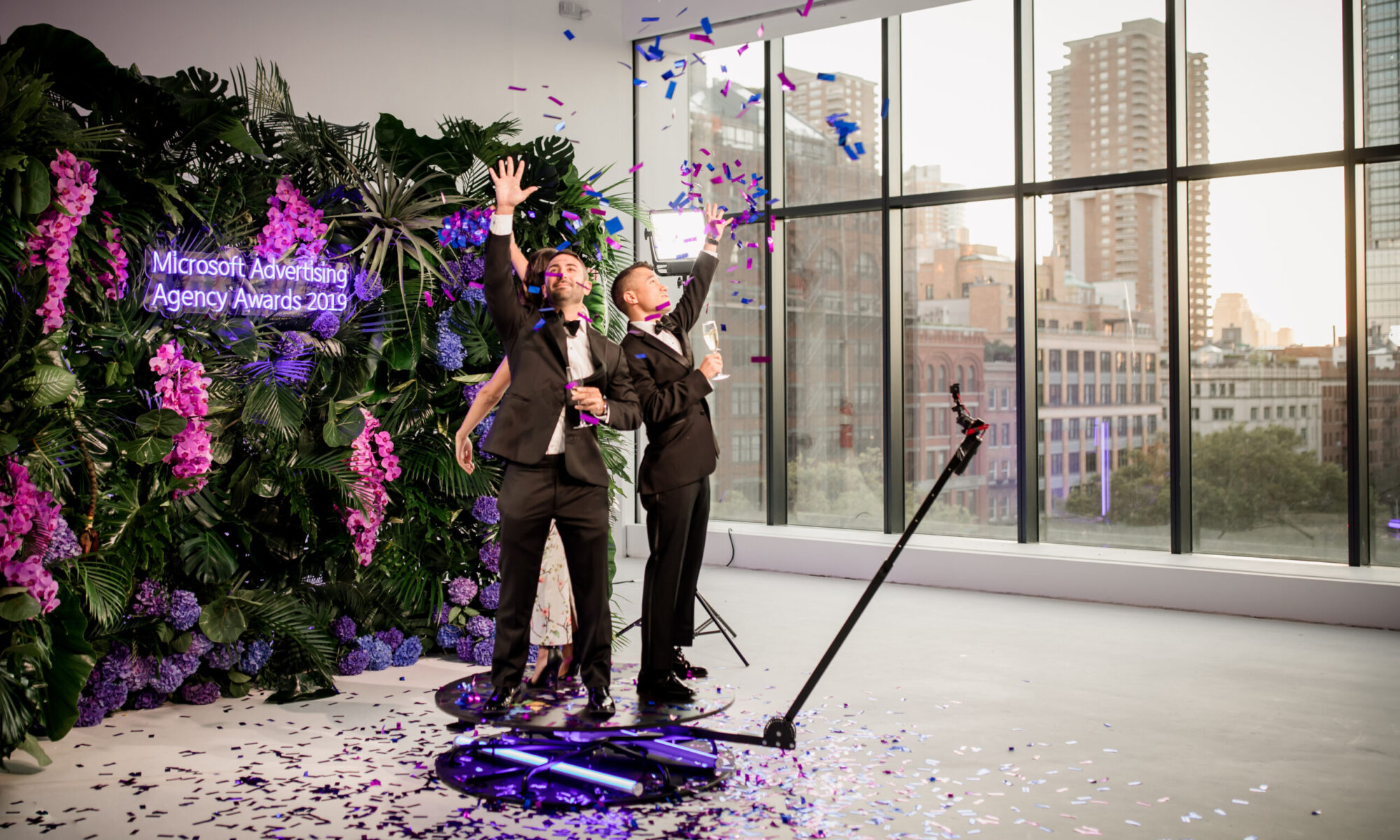
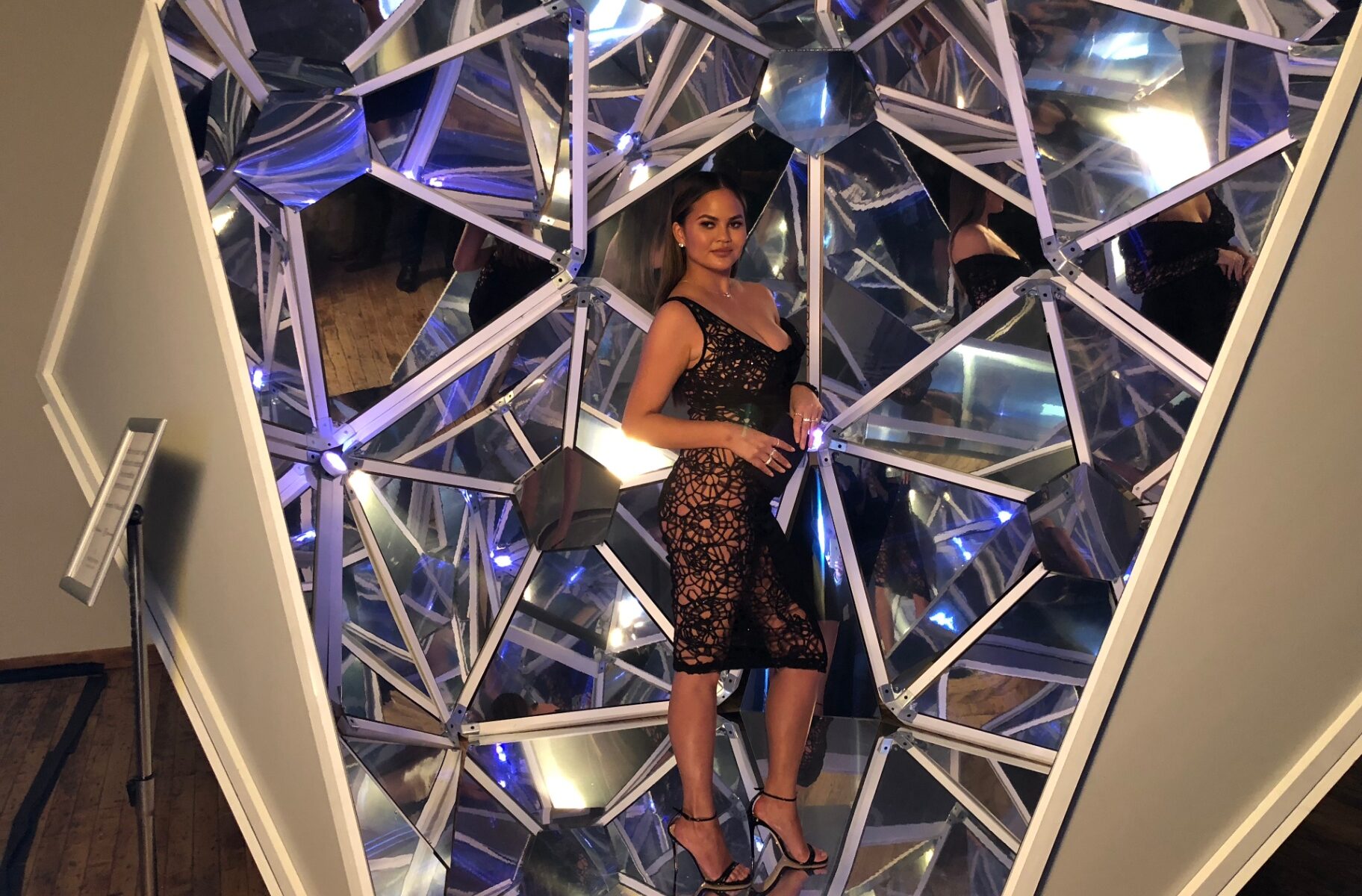
Let's put this to rest once and for all: photo booths aren't dead. They're thriving, but not in the way you remember them. The clunky curtain booths that printed grainy 2×6 strips at your cousin's wedding? Yeah, those are fading. But the technology behind photo experiences has evolved into something far more valuable: content engines that drive brand ROI, amplify social reach, and create measurable engagement at scale.
If you're still thinking about brand activation photo booths as "just a fun activity," you're already behind. In 2026, the most successful activations aren't just capturing moments: they're manufacturing viral content, collecting first-party data, and extending event reach weeks beyond the actual event date. Here's how the industry transformed, and why your next activation needs to embrace this shift.
The Death That Never Happened
Reports of the photo booth's demise have been greatly exaggerated. While traditional setups saw declining demand, the industry is experiencing 215% year-over-year growth in AI-powered photo experiences. That's not a typo. Brands aren't abandoning photo activations: they're demanding smarter, more strategic versions.
The difference? Modern brand activation photo booths deliver what traditional setups never could: instant social distribution, personalized AI content, and measurable engagement metrics. You're not paying for a photo anymore. You're paying for hundreds of branded impressions, user-generated content that feels authentic, and data you can actually use.
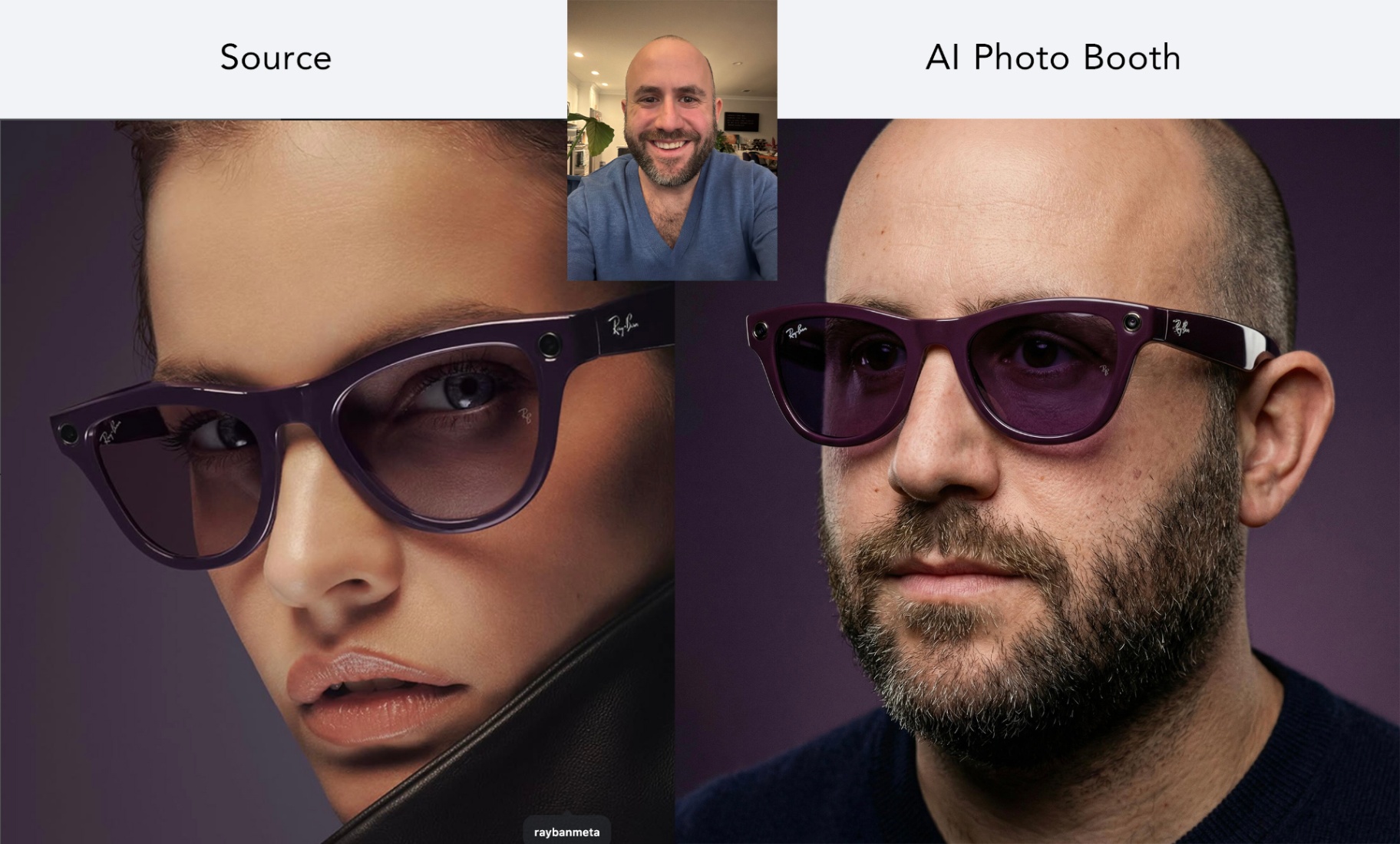
The numbers back this up. 95% of photo booth providers now offer instant digital delivery, and 68% of corporate clients specifically request AI-powered capabilities. Brands deploying these activations see 40-60% higher engagement rates compared to traditional setups. The result? Photo booth activations aren't just surviving: they're commanding premium rates because they deliver premium results.
From Props to Processing: The Content Engine Shift
Here's what changed: photo booths stopped being about the photo and started being about the content ecosystem they create.
Traditional booth workflow looked like this:
- Guest steps inside curtain
- Takes photo with props
- Waits 30 seconds for print
- Photo ends up in a drawer
Modern content engine workflow looks like this:
- Guest interacts with AI or robotic system
- Technology personalizes content in real-time
- Instant delivery via QR (no app download, no friction)
- Guest shares to social with embedded brand hashtag
- Content continues generating impressions for weeks
The transformation happens at the technology layer. AI-powered facial detection identifies guests and applies brand-appropriate effects instantly. Machine learning algorithms adjust lighting, backgrounds, and overlays based on the environment. Robotic systems like Studio Z's Glambot technology capture cinema-quality slow-motion video that looks like it came from a Hollywood production.
You walk away with content that guests want to share because it makes them look incredible: and your brand is embedded in every frame.
AI Sketch Lab: When Personalization Meets Virality
Let's talk specifics. AI photo booth technology like Studio Z's AI Sketch Lab represents the next evolution in experiential marketing. Here's how it works:
Guests pose for a photo. Within seconds, AI transforms that photo into a custom illustration: think comic book style, watercolor painting, or futuristic digital art. The system doesn't just apply a filter. It analyzes facial features, understands composition, and generates unique artwork that couldn't exist without machine learning.
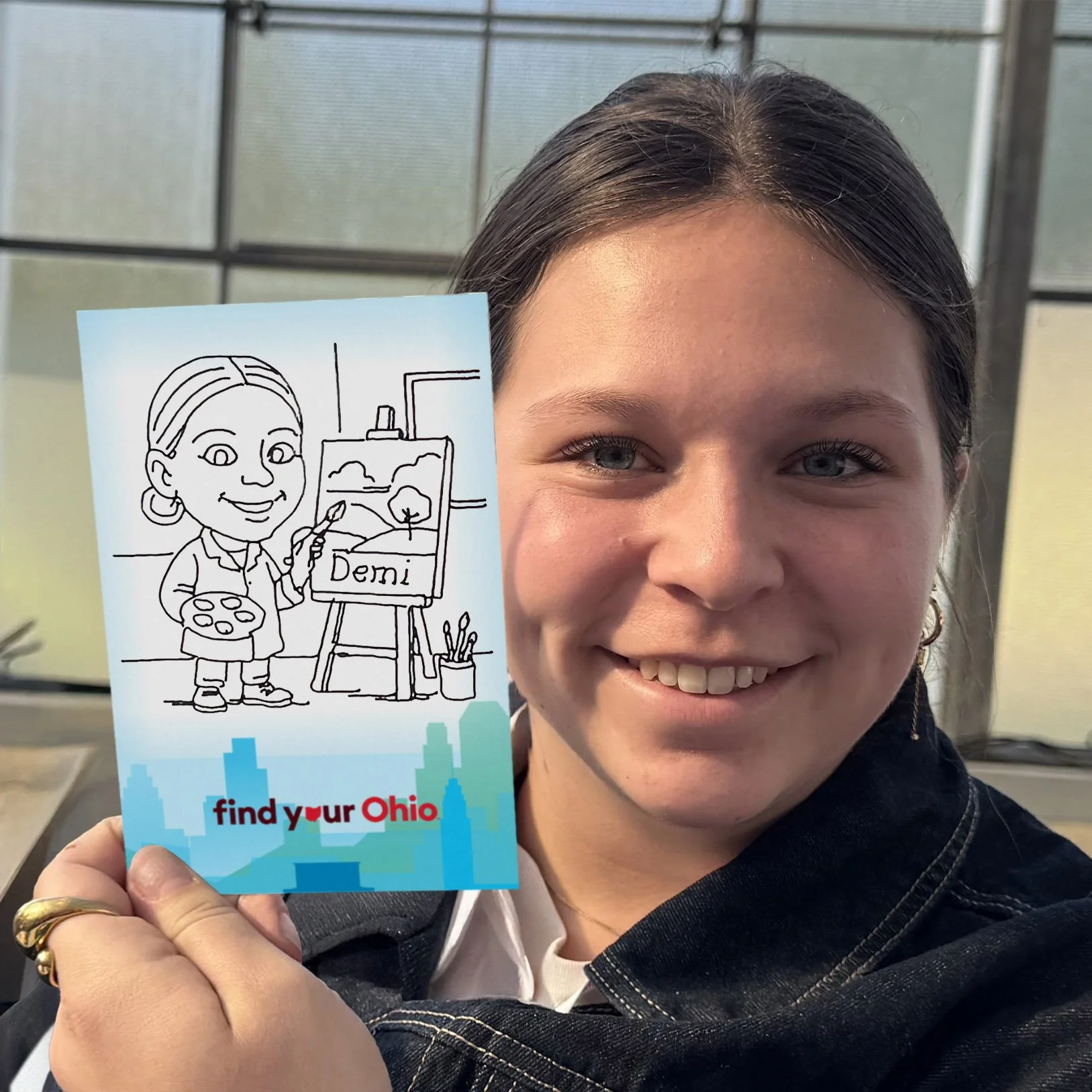
The business case is straightforward. Guests spend 3-5 minutes at traditional booths. They spend 8-12 minutes at AI activations because the novelty factor is higher and they want multiple versions. That extended dwell time means more brand exposure, more conversations, and deeper engagement.
But here's the real value: AI-generated content has 3x higher share rates compared to standard photos. Why? Because it's genuinely unique. Your guests can't recreate this experience at home with their iPhone. The content feels exclusive, personalized, and worth sharing: which means your brand travels further.
Major activations in Las Vegas, Los Angeles, and Austin are deploying AI experiences specifically because they deliver measurable ROI. You can track shares, impressions, and engagement in real-time. You can see exactly how many people interacted with your brand through the activation.
Robotics: The Glambot Revolution
While AI handles personalization, robotics handles production value. Studio Z's Glambot system uses a high-speed robotic arm with a cinema-grade camera to capture slow-motion video that looks like a professional music video shoot.
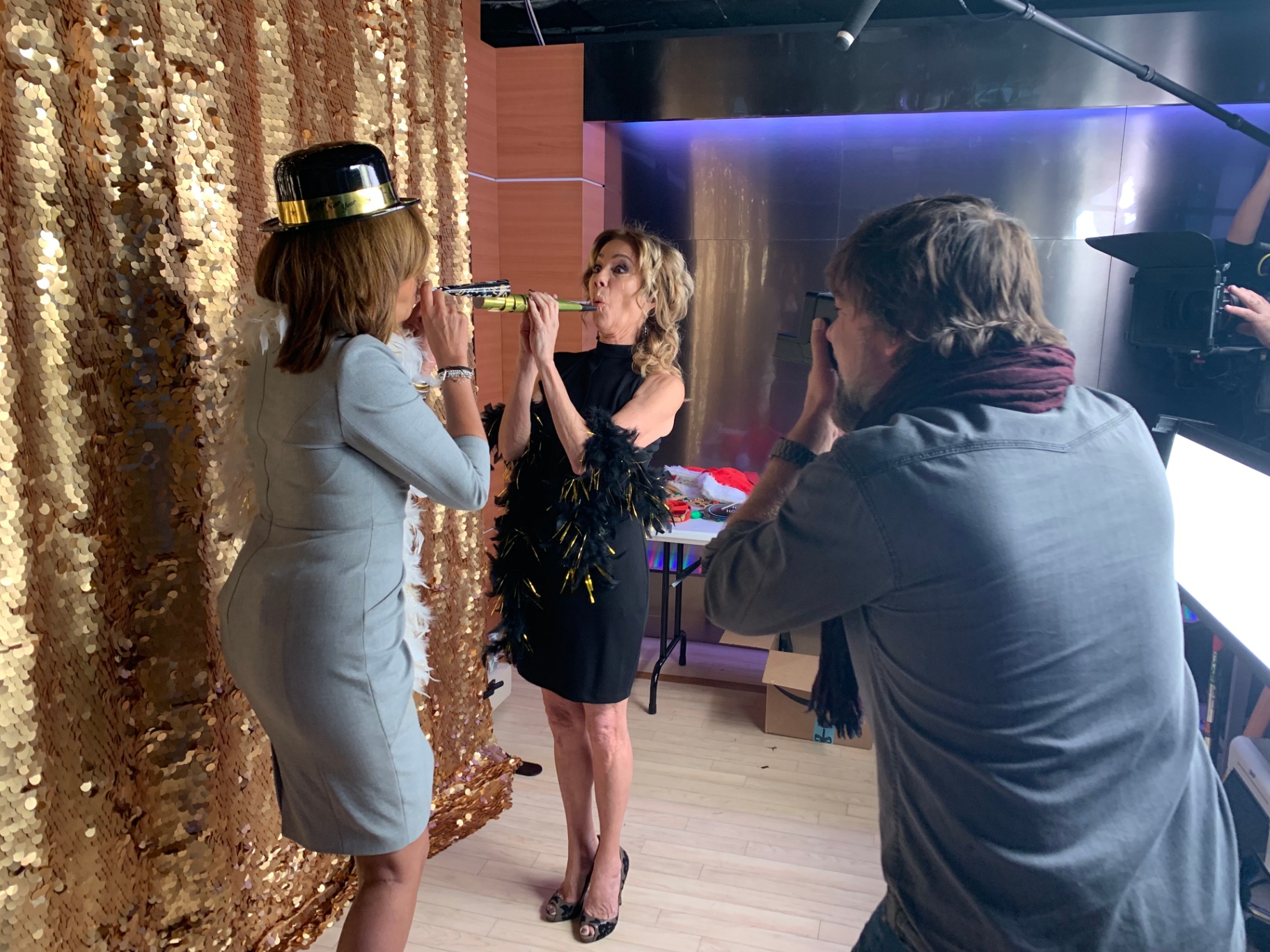
The technical setup: a motorized arm moves at programmed speeds while capturing 120+ frames per second. Advanced stabilization algorithms smooth the footage. Instant rendering delivers the final video within 45 seconds. The guest receives a QR code, downloads their content, and immediately shares it.
The psychological hook: people don't share content that makes them look ordinary. They share content that makes them look extraordinary. Glambot footage transforms everyday event attendees into celebrities. That hair flip in slow motion? That confident walk toward the camera? That content gets shared because it's genuinely impressive.
Brands deploying robotic photo booth activations see 60% higher social media reach compared to static photo setups. The content travels because it stands out in crowded social feeds. Your activation doesn't just exist at the event: it lives on Instagram, TikTok, and LinkedIn for weeks afterward.
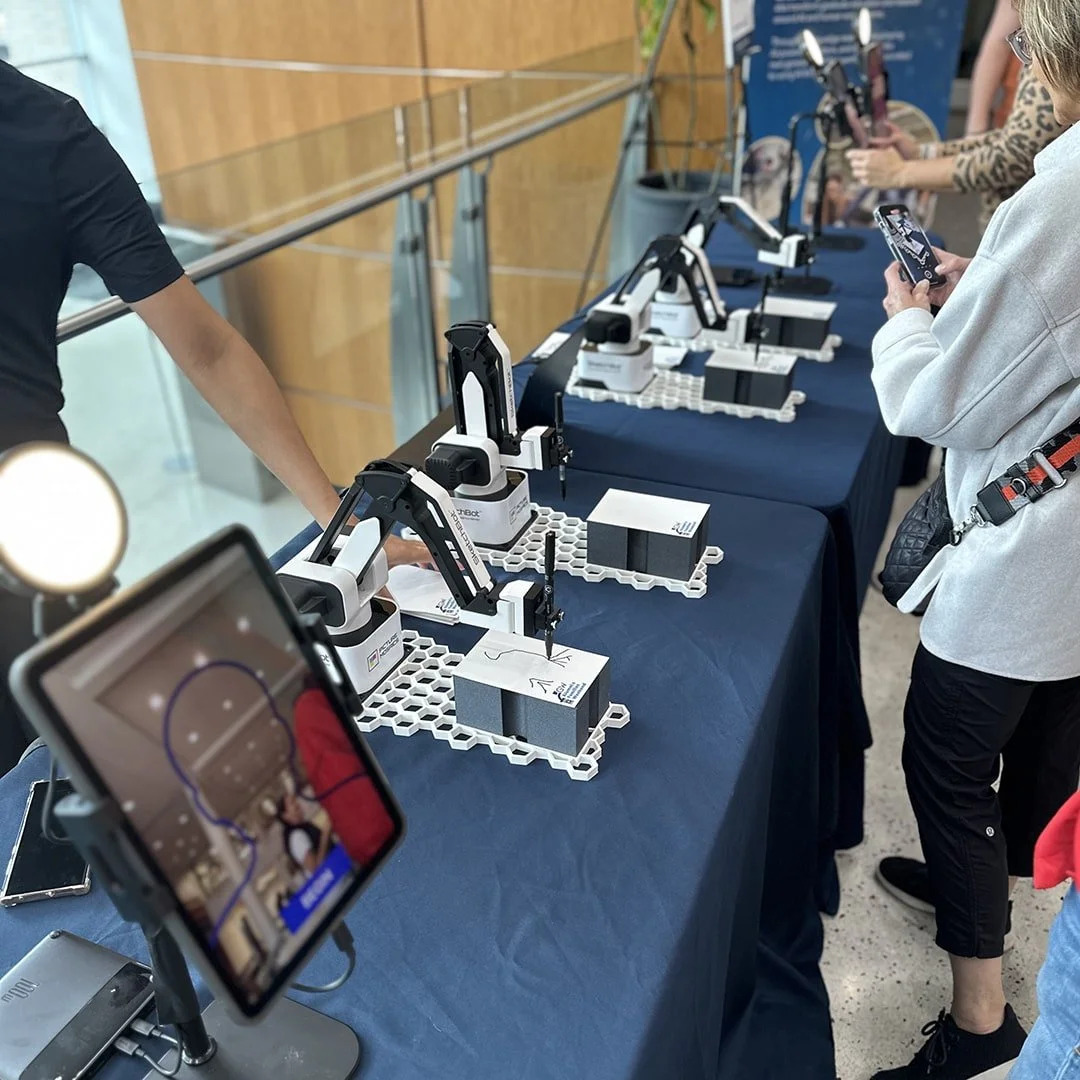
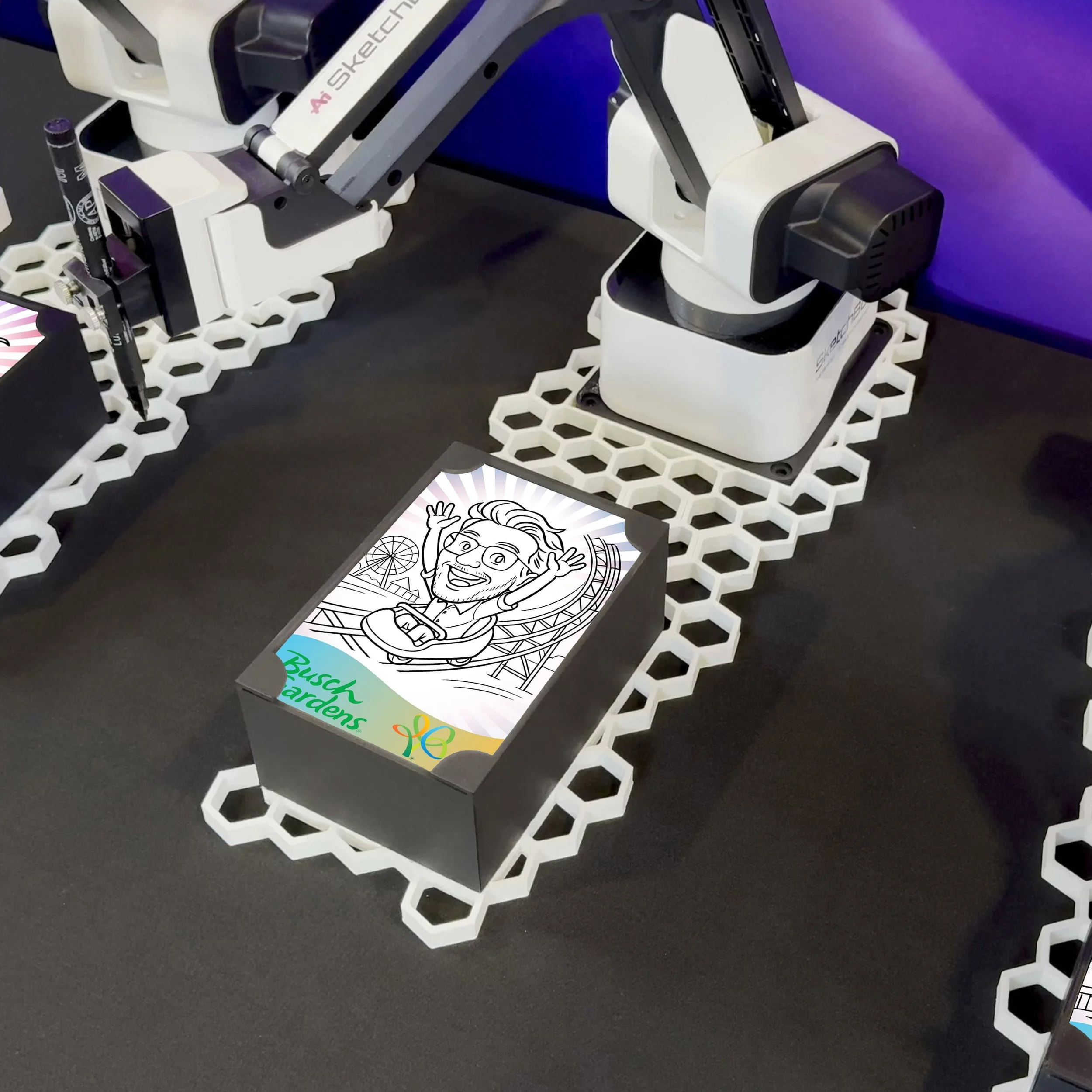
Here's a concrete example: Studio Z deployed robotic sketch systems at a recent brand activation where robots physically drew guest caricatures based on captured photos. Guests watched robotic arms recreate their likeness in real-time. The combination of visible technology + personalized output + physical takeaway created a triple engagement opportunity. Guests filmed the robots working, shared the finished drawings, and kept the physical cards as souvenirs.
The ROI Equation: Why Brands Pay Premium for Content Engines
Let's talk money. Traditional photo booths cost $1,500-3,000 for an event. Advanced AI and robotic activations run $5,000-15,000+. Why the premium?
Traditional booth math:
- 200 guests take photos
- 30% share to social media (60 shares)
- Average reach per share: 300 people
- Total impressions: 18,000
- Cost per impression: $0.08-0.17
Content engine math:
- 200 guests interact with AI/robotic system
- 75% share to social media (150 shares)
- Average reach per share: 500 people (higher engagement due to unique content)
- Total impressions: 75,000
- Cost per impression: $0.07-0.20
- Bonus: First-party data collection, extended campaign reach, reusable content for brand channels
The impressions alone justify the cost. But you're also collecting email addresses (with permission), tracking engagement metrics, and building a content library you own. Brands in New York and Miami regularly deploy high-tech activations because the content value extends far beyond the event date.
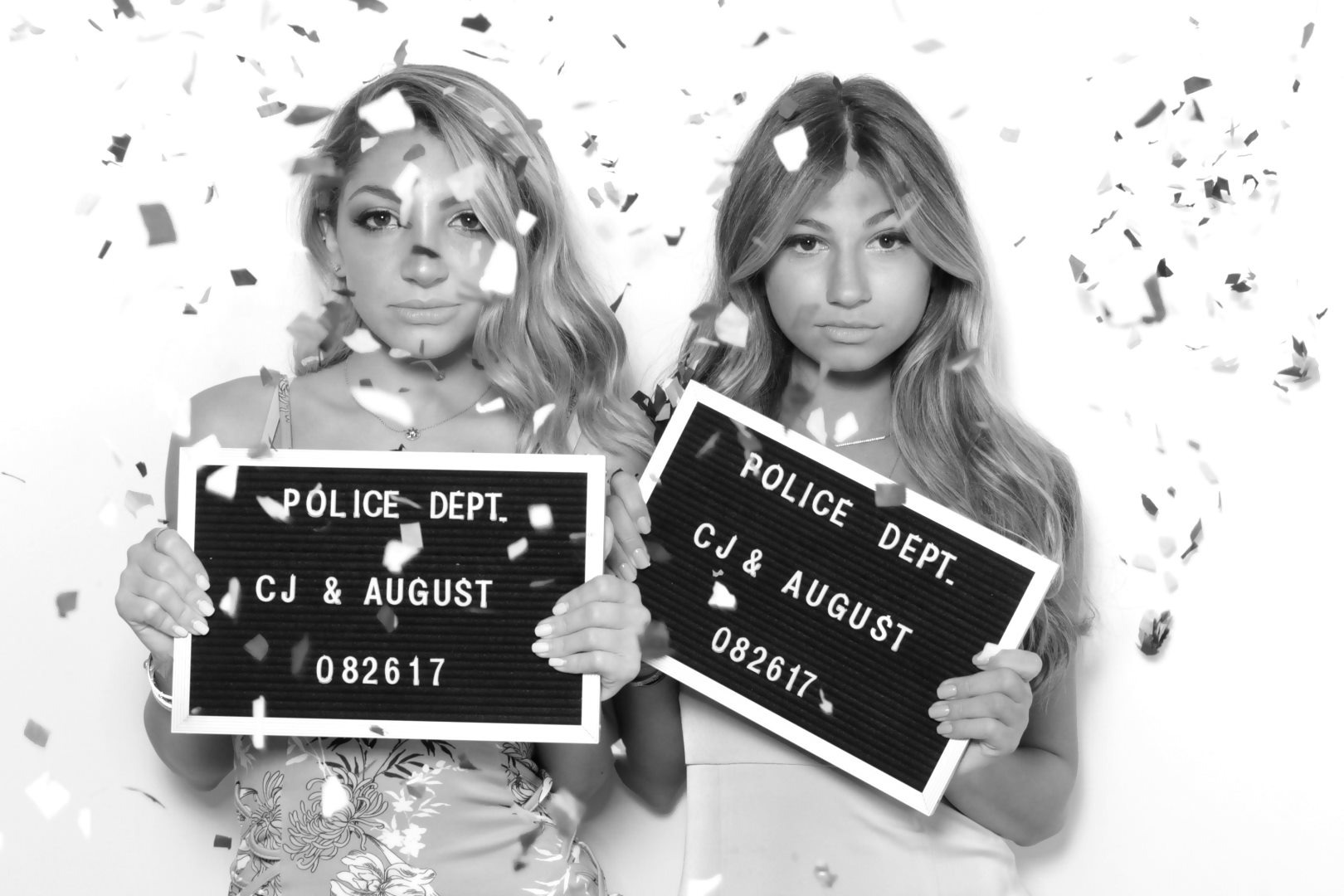
One corporate client tracked a single AI Sketch Lab activation that generated 2,400 social shares over three weeks. The embedded brand hashtag appeared in 89% of shares. The calculated media value exceeded $45,000: nearly 10x the activation cost. That's the content engine difference.
What This Means for Your Next Activation
If you're planning a brand activation in 2026, here's your strategic framework:
Stop thinking about photo booths as entertainment. Start thinking about them as content distribution systems. Every interaction should generate shareable, branded content that extends your reach beyond the physical event.
Invest in technology that creates exclusivity. AI and robotics deliver experiences guests can't replicate at home. That exclusivity drives sharing behavior and social proof.
Prioritize frictionless sharing. QR code delivery means guests receive content instantly without downloading apps or creating accounts. Lower friction equals higher share rates.
Track everything. Modern photo booth activations provide detailed analytics: total interactions, share rates, social reach, peak engagement times, and demographic data. Use this information to refine future activations.
Think beyond the event date. The content generated at your activation continues working for weeks. Repurpose top-performing user-generated content across your brand channels. Extend the campaign lifecycle.
For location-specific strategies, Los Angeles photo booth activations often focus on influencer-heavy events where high-production value content performs best. Vegas activations leverage the entertainment atmosphere with bold, theatrical experiences. Corporate events in Philadelphia and New Jersey prioritize data collection and B2B networking integration.
The Future Is Already Here
Photo booths aren't dead: they evolved into something better. Content engines powered by AI and robotics deliver measurable brand value that traditional setups never could. The brands winning in experiential marketing understand this shift and budget accordingly.
Your next activation isn't about providing a fun activity. It's about manufacturing viral moments, collecting valuable data, and creating content that works long after your event ends. The technology exists today. The ROI is proven. The only question is whether you're ready to make the leap from traditional booth thinking to content engine strategy.
Because in 2026, if your brand activation isn't designed to create shareable content, you're not just behind the curve( you're invisible in the social feeds that matter.)