Photo booth activations aren’t what they used to be. In 2026, you’re not shopping for a backdrop and a camera: you’re building a branded content engine that captures leads, drives social engagement, and creates memorable experiences your attendees actually want to share. Whether you’re planning a trade show in Las Vegas, a corporate event in Los Angeles, or a festival activation in Austin, the modern photo booth landscape is more sophisticated, more capable, and frankly more competitive than ever. Here’s what you need to know before you book your next activation.
1. AI-Powered Experiences Are Now the Baseline
Let’s be clear: AI photo booth activations aren’t a novelty anymore: they’re the standard. AI adoption in photo experiences increased 215% year-over-year, and 68% of corporate clients now specifically request AI-powered features when booking activations.
What does that actually look like? Think real-time background transformations, costume overlays, style transfers, and facial detection that personalizes each capture on the fly. An AI photo booth uses machine learning to transform standard photos into something unique: whether that’s placing your guest in a custom-branded environment, adding virtual props, or applying artistic filters that match your event aesthetic.
The result is higher engagement, longer session times (8-12 minutes on average), and content your attendees actually want to post. You’re not competing with their iPhone anymore: you’re offering something they can’t create themselves.
What to ask your provider: Do you offer real-time AI transformations? Can guests see the effect applied before they capture? How customizable are the AI features to match our brand?
2. Trading Cards Lead Every 2026 Trend Report
If you haven’t seen trading card photo booths in action yet, you will. This is the fastest-growing activation format in 2026, and for good reason: corporate events using trading card experiences see 62% higher engagement than traditional photo booth setups.
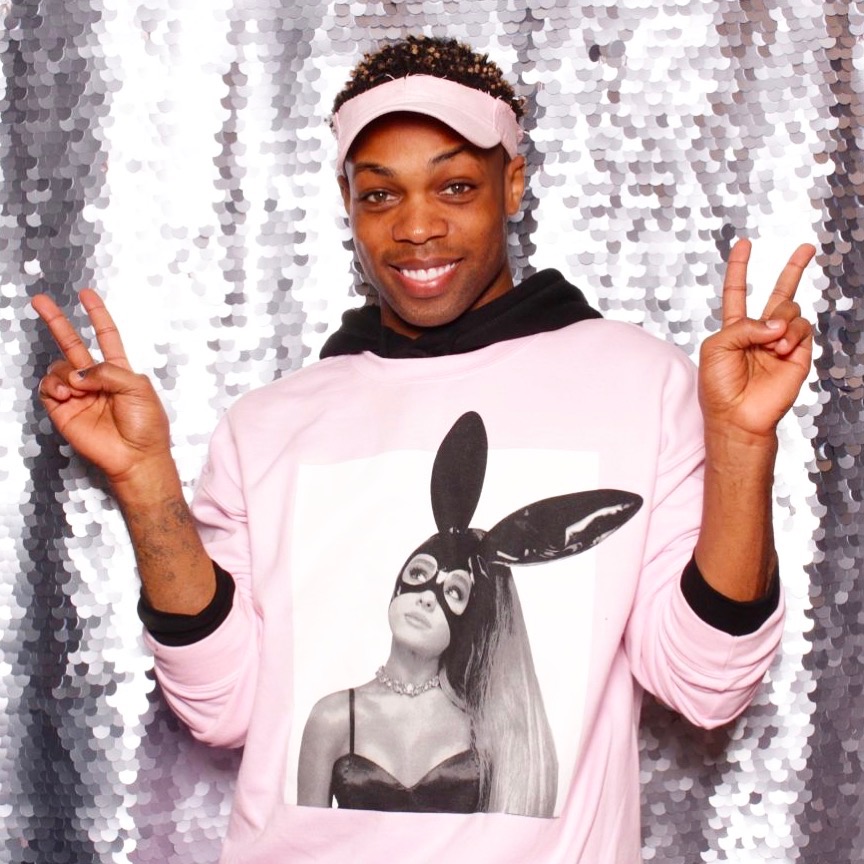
Here’s how it works: guests capture their photo, and instead of a standard print or digital share, they receive a fully branded trading card featuring their image, name, title, custom stats, or event-specific details. The collectibility factor is real: attendees capture an average of 4-6 trading cards per event, and custom designs increase brand recall by 55%.
Trading cards work especially well at conferences, corporate retreats, sports activations, and networking events where guests want keepsakes that double as conversation starters. The format is inherently shareable, highly brandable, and taps into nostalgia without feeling gimmicky.
What to ask your provider: Can you design custom trading card templates that match our brand? Do guests receive digital and physical versions? Can we incorporate QR codes or gamification into the card design?
3. Real-Time Personalization Isn’t Optional: It’s Expected
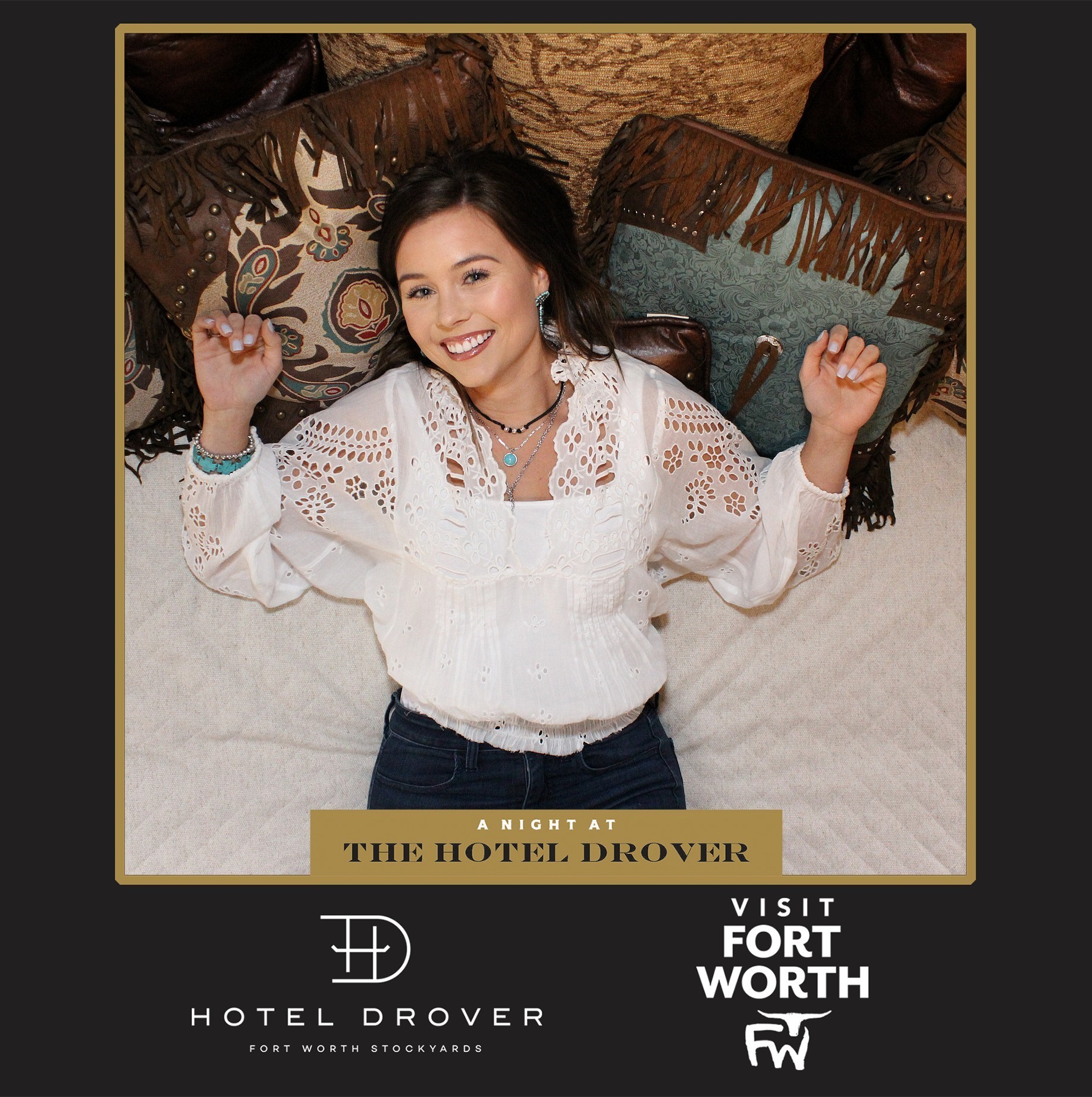
Modern attendees expect experiences that feel built for them, not bulk-produced for the masses. That’s why real-time personalization: names, titles, locations, jersey numbers, company logos, or custom roles dynamically added to photos: drives such high engagement.
The magic happens during capture: guests watch as their personalized details appear on-screen in real time, creating a sense of ownership and value that generic experiences can’t match. This isn’t about slowing down throughput, well-executed personalization systems deliver fast, friction-free experiences with high perceived value.
Personalization works across formats: photo strips, digital shares, prints, and even video captures. The key is seamless integration with your registration system or on-site data capture, so guests aren’t manually entering information multiple times.
What to ask your provider: How do you capture guest data on-site? Can personalization integrate with our registration platform? What formats support real-time personalization?
4. Video Capture Rivals (and Often Beats) Photo
Photos are great. Video is better: at least when it comes to shareability on TikTok, Reels, and LinkedIn. That’s why video booth requests have skyrocketed in 2026, with formats like slow-motion, motion-tracked, and stylized video rivaling traditional photo capture.
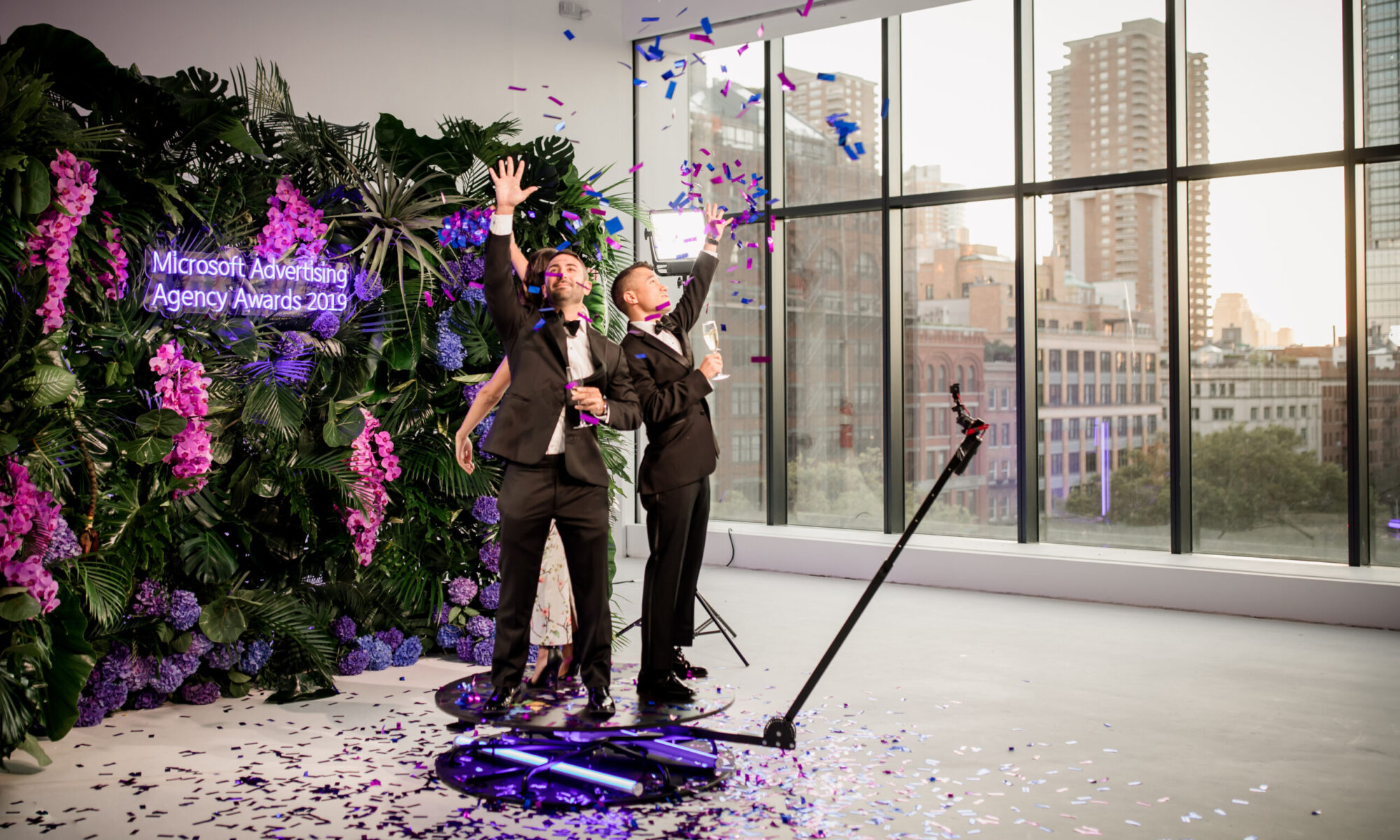
360-degree video booths create cinematic moments by capturing guests from every angle simultaneously, producing dynamic, highly shareable content perfect for large events and outdoor settings. These immersive experiences allow guests to stand in the center while cameras rotate around them, creating Hollywood-style content without the Hollywood budget.
But video doesn’t stop at 360. Glam robots (also called cinema robots) use robotic camera arms to create smooth, choreographed video movements that feel professionally produced. These are especially popular at red carpet events, galas, and VIP experiences where guests want premium content.
What to ask your provider: Do you offer both photo and video capture? Are videos optimized for vertical, square, and social-native formats? What’s the turnaround time for video delivery?
5. Augmented Reality and Digital Backdrops Are Standard Expectations
Physical backdrops still have their place, but digital customization offers unlimited flexibility without logistical constraints. Augmented reality overlays digital elements: floating graphics, virtual costumes, branded animations: onto live photos in real time. Digital backdrops allow guests to choose backgrounds or upload their own images, creating infinite customization options without swapping physical sets.
This is especially valuable for multi-day events, traveling activations, or scenarios where space is limited. A single photo booth activation with digital backdrop technology can deliver 10+ unique branded experiences without a truck full of physical backdrops.
AR and digital customization also future-proof your activation. You can update designs remotely, A/B test different creative approaches, and adapt to last-minute branding changes without reprinting anything.
What to ask your provider: Do you offer AR overlays? Can digital backdrops be customized to our brand? How many background options can we include?
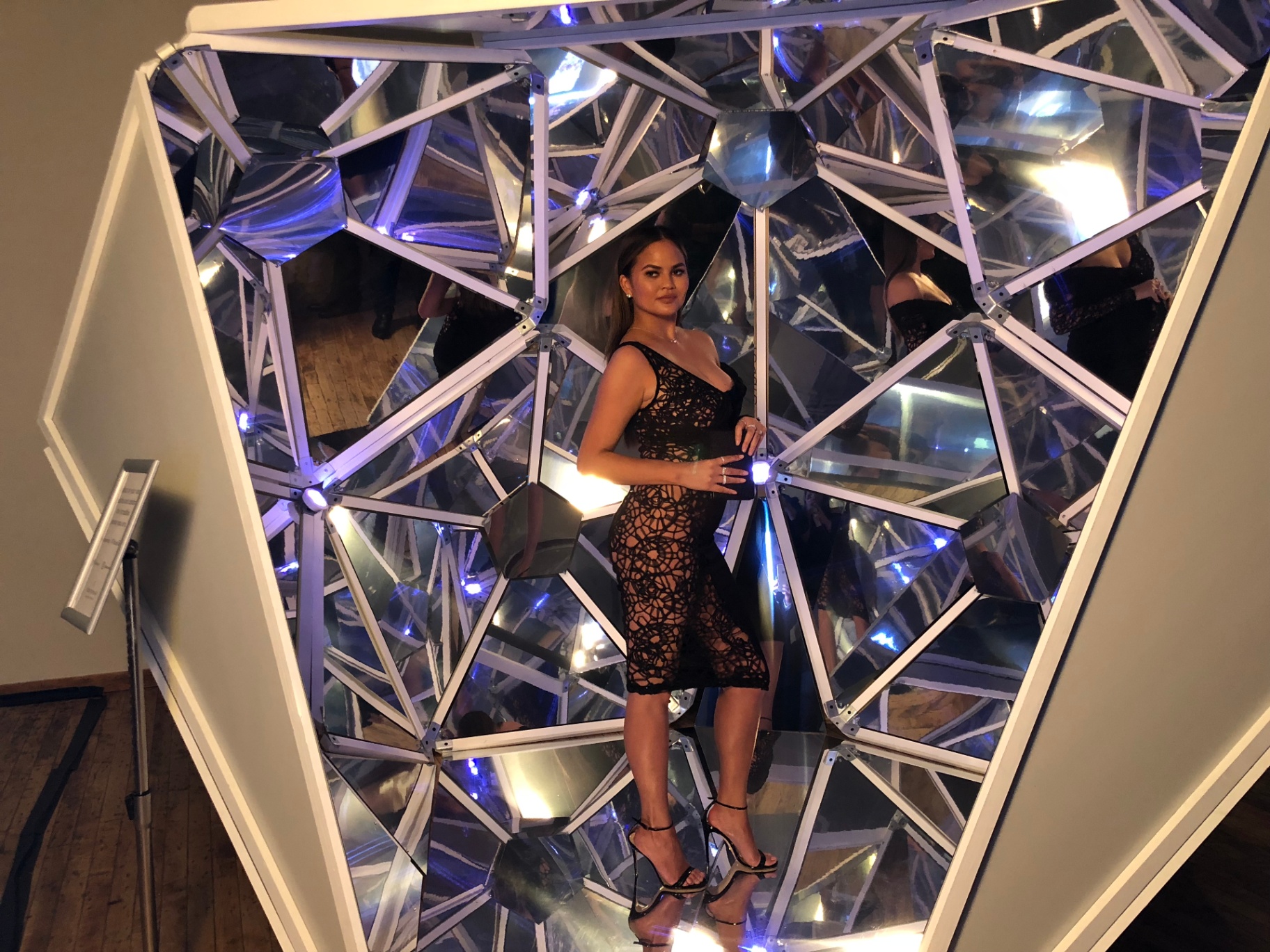
6. You’re Not Booking a “Photo Booth”: You’re Building a Branded Content Studio
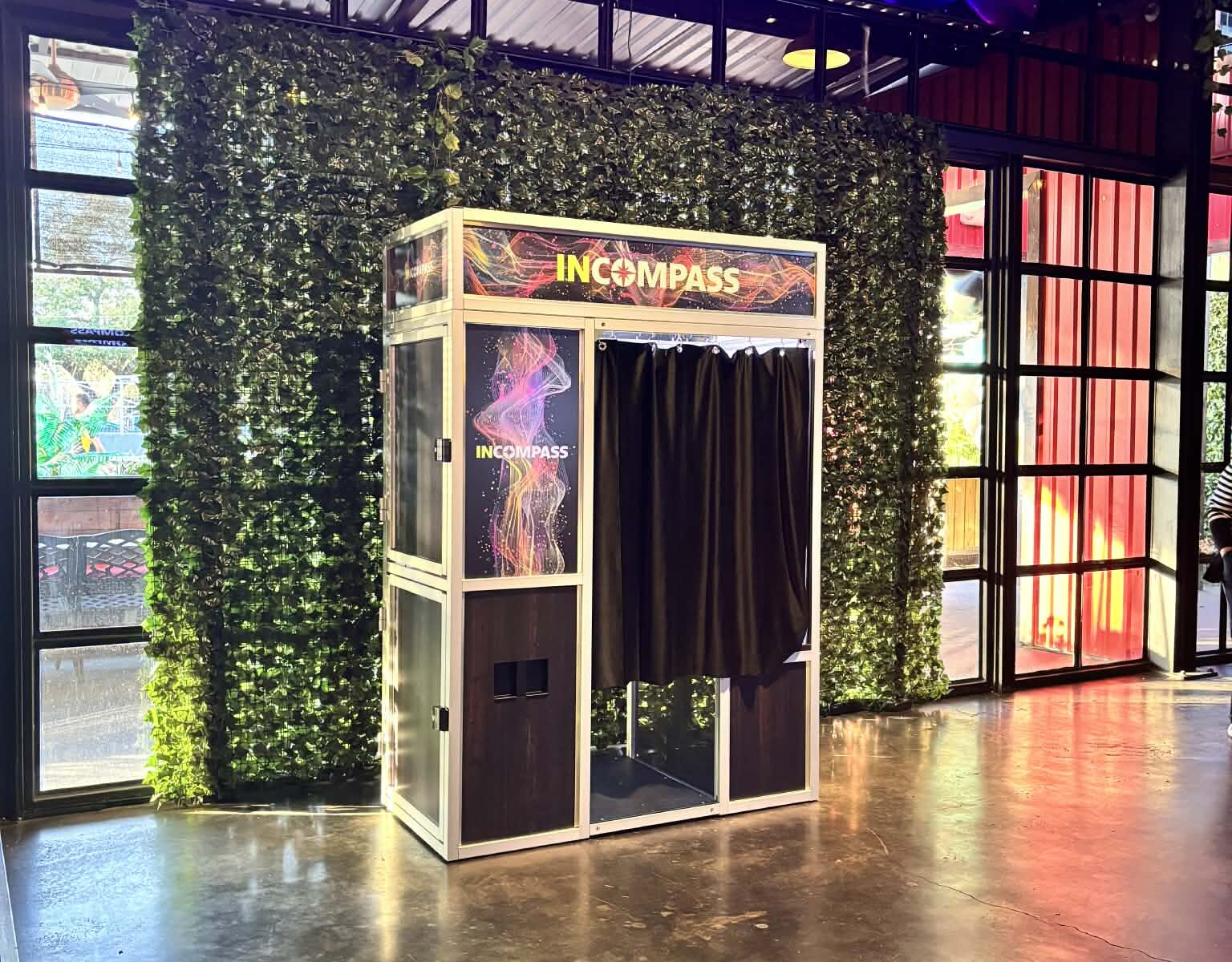
The terminology shift matters. In 2026, the most successful activations aren’t isolated “photo booths” tucked in the corner: they’re intentional, premium branded capture studios designed as complete environments that increase engagement and dwell time.
Think of it this way: a photo booth is transactional. A branded content studio is experiential. It’s the difference between “take a quick photo” and “step into our branded world and create something worth sharing.”
This approach integrates custom installs, environmental design, lighting design, and capture technology into a cohesive activation that reinforces your brand story. You’re creating a destination within your event, not an add-on.
The result? Higher engagement, longer booth dwell time (studies show 90% increases with branded experiences), and content that actually drives brand recall after the event ends.
What to ask your provider: Can you design a custom branded environment, not just a booth? What’s included beyond the capture technology? How do you integrate lighting, props, and environmental design?
7. Instant Mobile-First Delivery Is Non-Negotiable
Here’s the hard truth: if sharing your photo booth content involves friction, most attendees won’t bother. In 2026, 95% of providers offer instant digital delivery, but not all delivery systems are created equal.
The best activations deliver content optimized for vertical, square, and social-native formats directly to guests’ phones within seconds. QR codes, SMS, email, AirDrop: whatever the method, the key is zero friction. Guests should be able to capture, receive, and share without downloading apps, creating accounts, or navigating complex interfaces.
This is especially critical for brand activation photo booth experiences where social amplification is a core goal. Every extra step between capture and share reduces your organic reach exponentially.
What to ask your provider: How do guests receive their content? Is the delivery method mobile-optimized? Can they share directly to social platforms without leaving the delivery page?
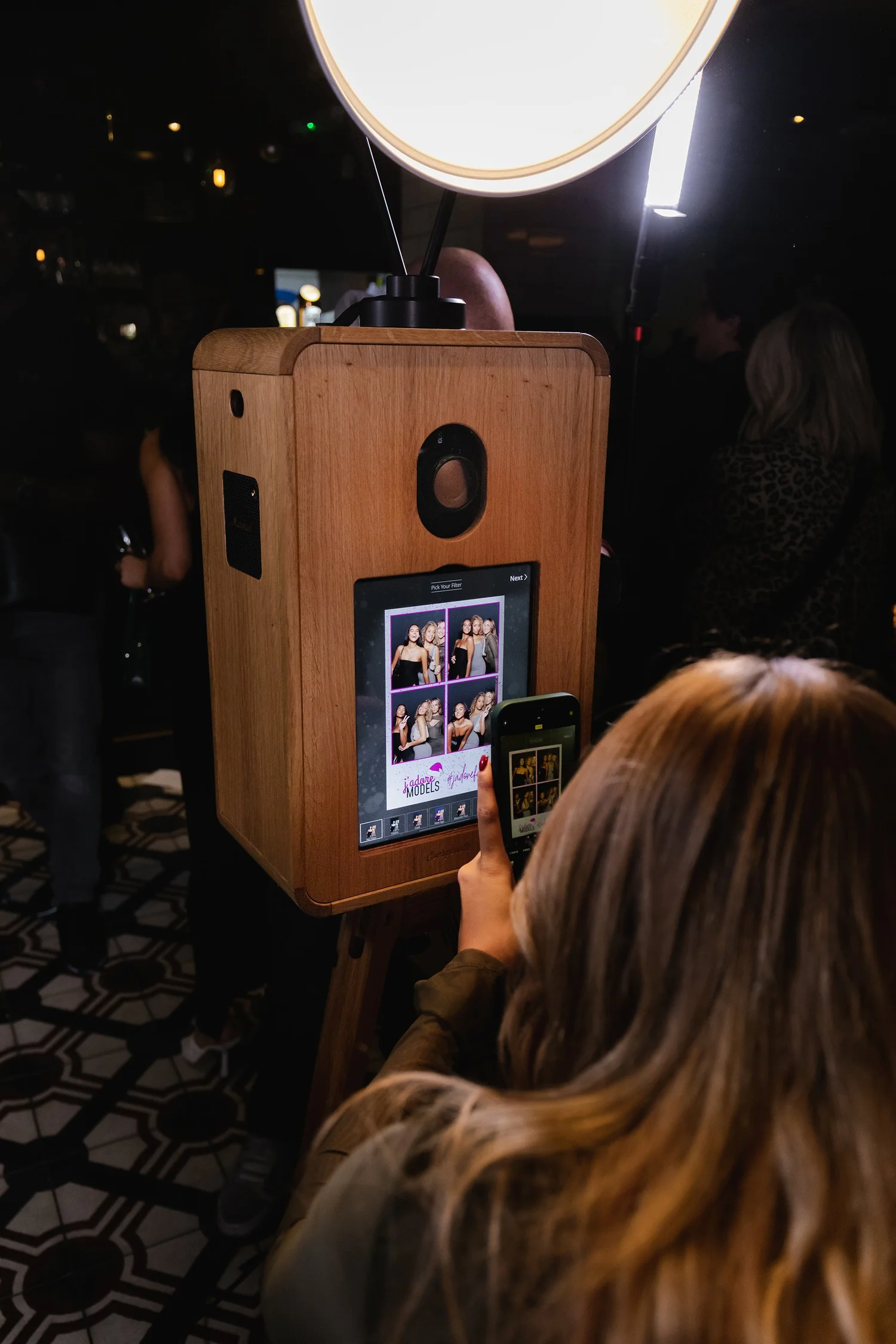
8. Privacy-First Data Practices Build Trust (and Capture More Leads)
Personalization and lead capture are valuable, but guests are increasingly privacy-conscious. The activations that succeed in 2026 balance personalization with privacy: clean opt-ins, clear messaging, and secure delivery directly impact enterprise participation rates.
Here’s what that looks like in practice: transparent data collection that explains how information will be used, secure delivery methods that don’t require public social sharing, and opt-in language that respects attendee choice without guilt-tripping.
When done right, photo booth activations are lead generation machines. Companies with photo booths at trade shows capture 28% more qualified leads than those without, and 88% of attendees are willing to share contact information through photo booth experiences: as long as they trust how that data will be used.
What to ask your provider: How do you handle data privacy? Can we customize opt-in language? Is lead data delivered in a format compatible with our CRM?
9. Nationwide Logistics Matter More Than You Think
You can have the most advanced photo booth technology in the world, but if it doesn’t show up on time (or at all), none of that matters. In 2026, successful photo booth activations require sophisticated logistics: especially for multi-city tours, festival circuits, or nationwide campaigns.
Studio Z operates in major markets including Las Vegas, Los Angeles, Austin, NYC, Miami, Philadelphia, and New Jersey, with the infrastructure to support complex nationwide activations.
What to look for: proven experience in your target markets, backup equipment protocols, dedicated on-site staffing, and clear communication throughout the planning process.
What to ask your provider: Do you operate in all our target markets? What’s your backup plan if equipment fails? Do you provide on-site staff for the full event duration?
10. Modern Activations Function as Multi-Channel Content Engines
This is the big one: in 2026, photo booth activations aren’t just about the event day: they’re about fueling multiple content channels simultaneously. Social media feeds, event marketing, brand promotion, user-generated content campaigns, post-event recap videos: your activation should feed all of it.
The shift is from “photo booth as entertainment” to “photo booth as content infrastructure.” You’re capturing high-quality, on-brand content at scale, with built-in distribution through attendee sharing and lead capture that extends your reach far beyond the event itself.
Premium AI experiences command 40-60% higher booking rates precisely because they deliver this kind of multiplied value. You’re not paying for a booth: you’re investing in a content engine that keeps working long after the event ends.
According to industry trend reports, companies that strategically leverage photo booth content see significantly higher post-event engagement and brand recall compared to those that treat activations as isolated entertainment.
What to ask your provider: Can we access high-resolution versions of all captured content? Do you provide analytics on social sharing and engagement? Can content be white-labeled for our marketing channels?
Ready to Level Up Your Next Activation?
Photo booth activations in 2026 are sophisticated, strategic, and capable of delivering measurable ROI far beyond event day entertainment. Whether you’re planning a trade show in Vegas, a corporate event in LA, or a festival activation in Austin, the right partner transforms your photo booth from nice-to-have into must-have.
Want to see what’s possible? Check out Studio Z’s full activation portfolio or explore our AI-powered solutions to start planning your next branded experience.