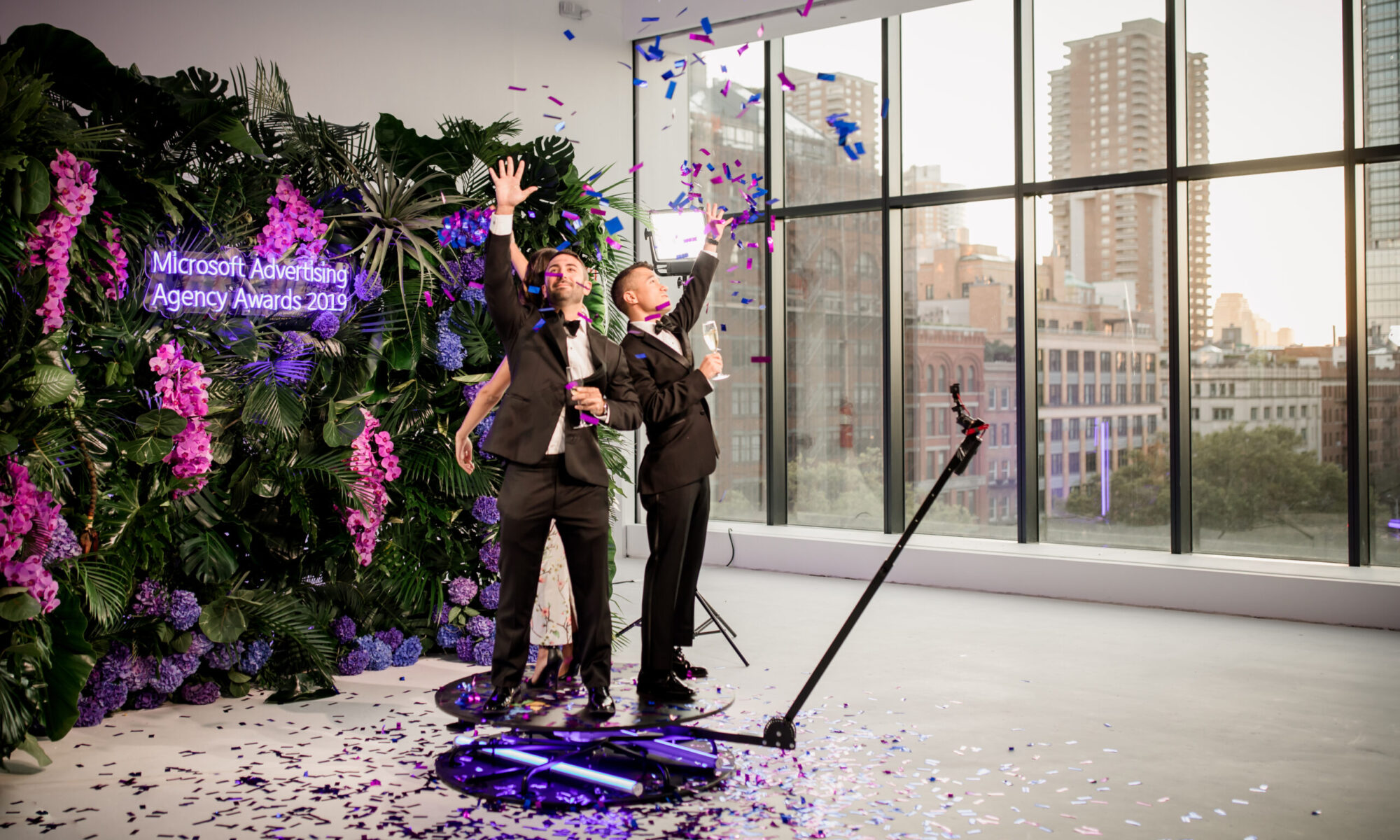
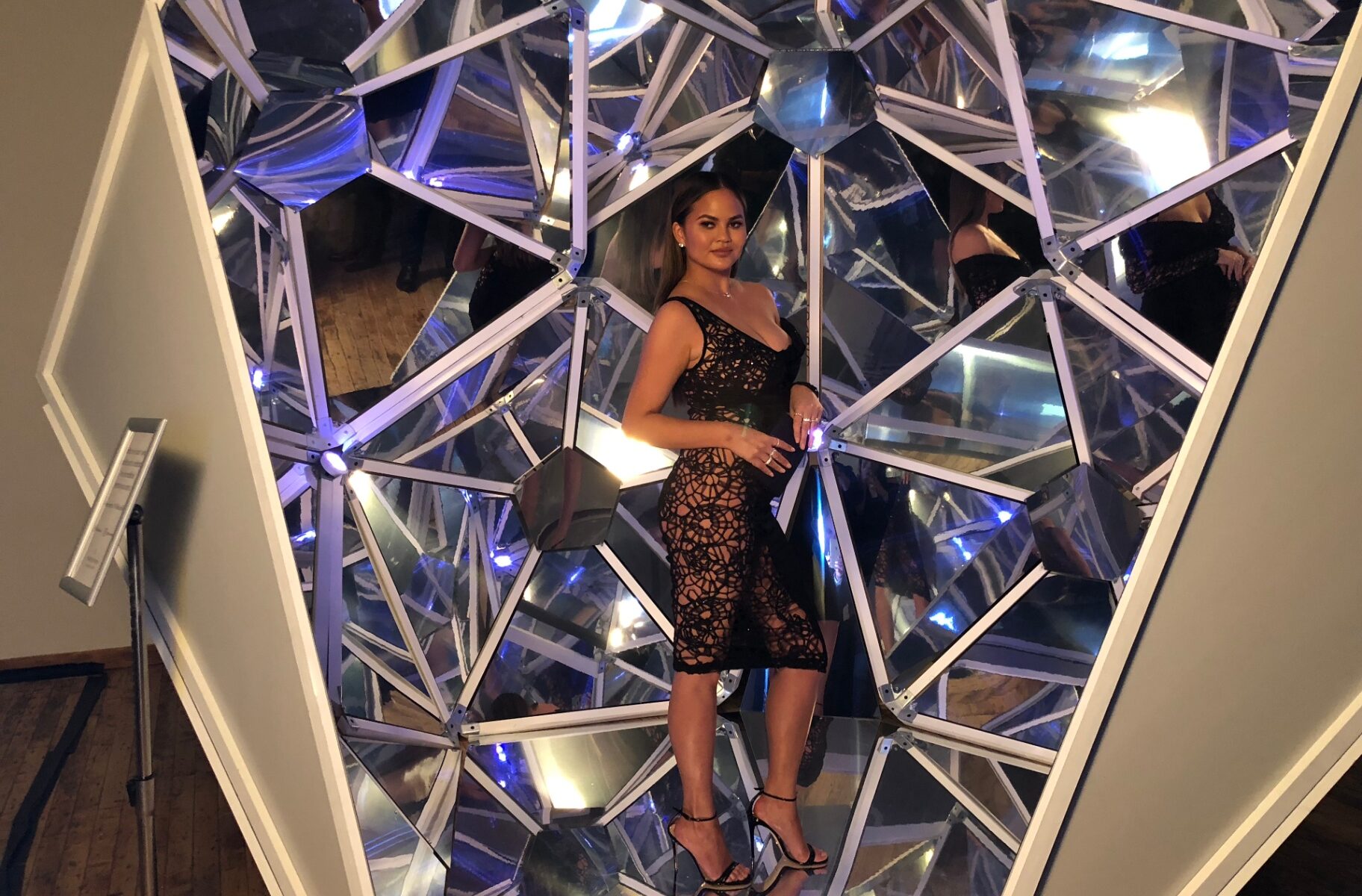
A photo booth activation can create branded content, support conversations and collect guest information. Its return depends on your event goals, audience, creative treatment and follow-up. There is no universal participation rate, sharing rate or ROI that applies to every event.
Use this guide to agree on a measurement plan before booking. Studio Z quotes each activation individually based on the client, event, location and production scope.
1. Define the business outcome first
Choose the main purpose of the activation: qualified sales conversations, product education, content creation, guest experience or another specific outcome. A busy booth can support that goal, but activity alone does not establish business value. Decide who owns measurement and what would make the event successful.
2. Separate sessions, people and participants
A session may include several people, and one person may return for another capture. Record sessions and unique participants separately where the agreed workflow allows. If you report a participation rate, define its denominator: event attendance, people entering your stand or another measured audience. Use the same definition when comparing events.

3. Distinguish delivery details from marketing opt-ins
A guest providing contact information to receive a portrait has not necessarily requested marketing or become a qualified prospect. Agree on the collection fields, consent wording and intended use before the event. Report delivery contacts, marketing opt-ins and sales-qualified leads as separate measures.
4. Measure sharing without assuming reach
A download, text-message delivery or click on a share button does not prove a public social post. Report only the actions the selected platform can verify. Do not multiply the number of participants by their follower counts and label the result impressions. Use actual platform reporting when it is available, with its limitations stated.
5. Keep earned-media estimates separate from revenue
If your team uses earned-media value, document the source of the observed impressions and the comparison rate. Label the result as an estimate of comparable media value. It is not cash revenue, profit or proof that the activation paid for itself. Avoid adding multiple valuations for the same result.

6. Track conversations and follow-up outcomes
Agree on what makes a lead qualified and how the event source will be recorded. Where your systems support it, use an approved campaign identifier or tagged link. Track meetings, accepted opportunities and completed sales through your normal process, allowing for your sales cycle. Attribution should acknowledge other marketing and sales touchpoints.
7. Plan for guest flow and operational quality
Queue length, capture completion, reset time and delivery issues affect the experience. A longer queue is not automatically a better result. Review these measures with staffing, venue access and creative complexity so you can improve the next event. Capacity and timing should be scoped to the chosen format rather than assumed from a generic benchmark.
8. Use your full event scope when comparing costs
Confirm what is included in the proposal: creative development, branding, equipment, staffing, operating hours, installation, travel and any agreed reporting. Venues may have separate access, labor, connectivity or other requirements. Studio Z provides a custom quote after reviewing these details; a generic package price cannot describe every activation.
9. Calculate ROI with a defined attribution method
For a financial ROI calculation, compare attributable incremental profit with the full activation cost: ROI = (attributable incremental profit minus activation cost) divided by activation cost. Express the result as a percentage if useful. Document your assumptions, measurement period and attribution method. Pipeline, estimated media value and guest satisfaction can be useful supporting measures, but should be reported separately from realized financial return.
10. Compare consistent events and improve the next brief
Compare events using the same definitions and account for differences in audience, operating hours, location and format. Review what worked, where guests dropped out and which follow-up produced meaningful outcomes. Use those findings to adjust the creative brief, staffing and measurement plan.
Choose a format that fits the goal
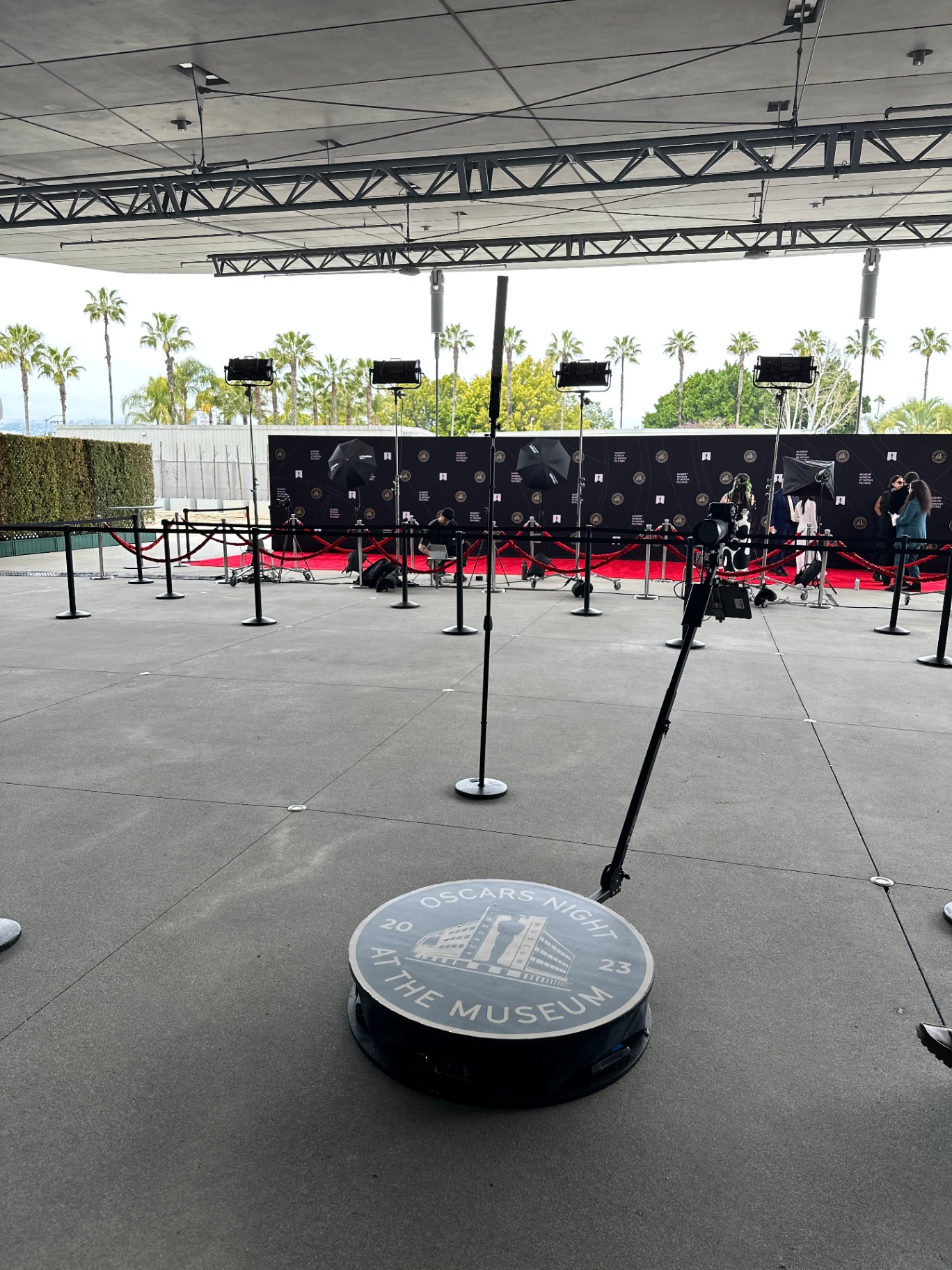
Explore Signature Cam / Scribble Booth for personal messages, AI Sketch Lab for portraits drawn on paper, AI photo booths for digital transformations, or Cinema Robot and 360 video booths for motion content. The format should support your intended experience and measurement plan.

Photo booth ROI questions
Can a photo booth guarantee leads or sales?
No. Results depend on audience fit, participation, consent, qualification and follow-up. Define the desired outcomes and how they will be measured before the event.
What should we send for a custom quote?
Share your event date, location, operating hours, attendance, preferred format, branding requirements and measurement goals. Contact Studio Z to plan the activation and receive a custom quote.